

Not every brand needs to challenge, transform, or compete. Some brands succeed by creating safety, optimism, and simplicity. The Innocent brand archetype exists to offer reassurance in a complex and often overwhelming world.
Innocent brands promise goodness, honesty, and ease. They speak to the desire for things to feel right again. Where the Hero focuses on effort and the Magician focuses on transformation, the Innocent focuses on trust, comfort, and optimism.
This archetype resonates deeply in times of uncertainty. People gravitate toward brands that feel familiar, ethical, and uncomplicated. Innocent brands do not try to impress. They try to care.
When executed correctly, the Innocent archetype creates brands that feel pure, approachable, and dependable. These are brands people invite into their daily lives without hesitation.
In this guide, we will break down the Innocent brand archetype in depth. You will learn what defines it, why it works psychologically, how it shows up in brand identity, and how to apply it strategically.
Meaning of the Innocent Brand Archetype
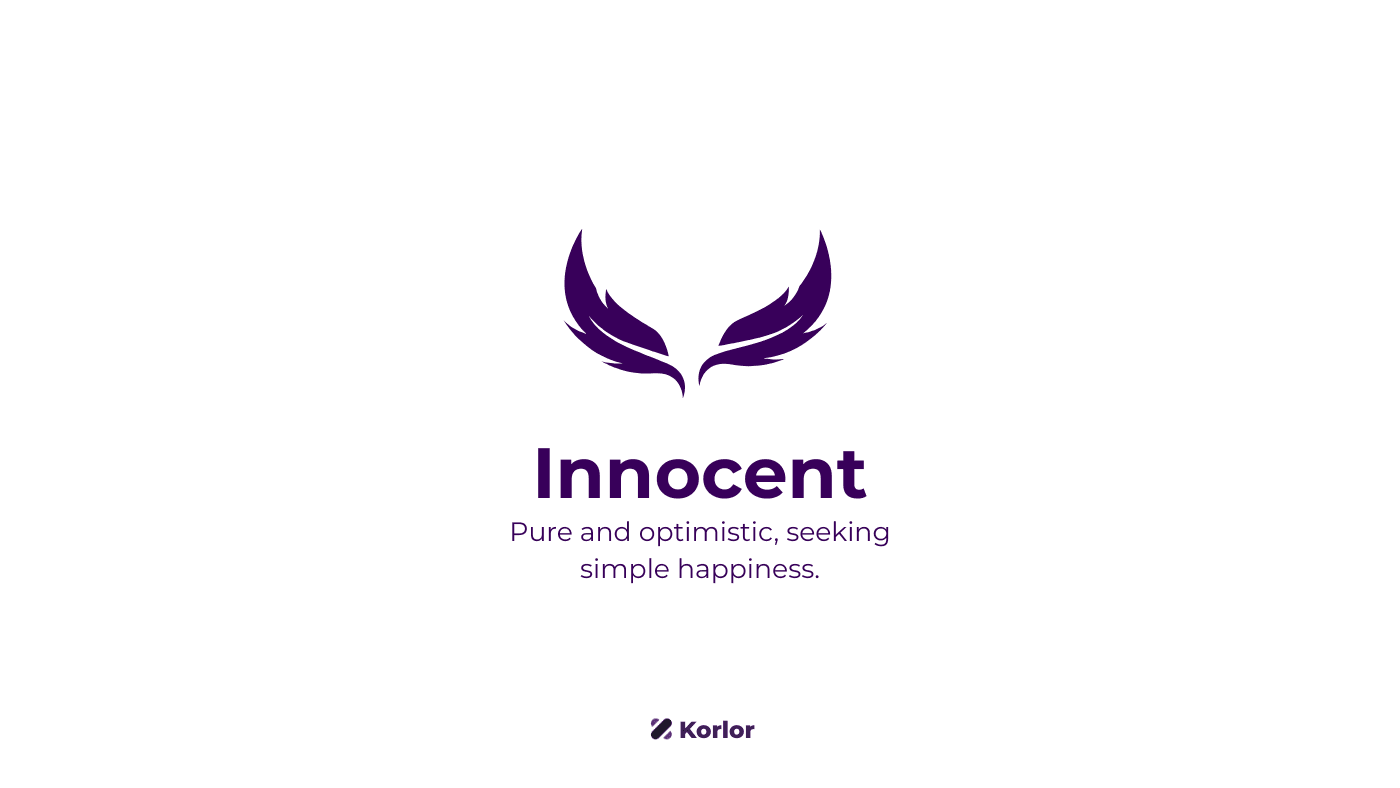
The Innocent brand archetype represents purity, optimism, honesty, and simplicity. Its core purpose is to make people feel safe, cared for, and reassured.
Innocent brands position themselves as gentle guides rather than authorities or challengers. They believe the world can be good and that simplicity leads to happiness.
In branding terms, the Innocent archetype communicates:
- Trust
- Optimism
- Simplicity
- Honesty
- Warmth
- Safety
These brands appeal to audiences who want clarity without pressure and goodness without complexity.
The Core Purpose of the Innocent Archetype
Every archetype is driven by a central motivation. For the Innocent, that motivation is goodness.
The Innocent exists to:
- Create trust
- Reduce anxiety
- Promote ethical behavior
- Simplify choices
- Make people feel comfortable
In branding, this purpose translates into messages that emphasize transparency, kindness, and ease. Innocent brands avoid conflict and focus on reassurance.
How the Innocent Strengthens a Brand’s Presence
The Innocent archetype strengthens brands by lowering emotional resistance.
Here is how the Innocent builds brand presence:
- It creates emotional safety: People feel comfortable engaging with Innocent brands.
- It builds trust quickly: Honesty and transparency reduce skepticism.
- It encourages long-term loyalty: People return to brands that feel dependable and kind.
- It works well in everyday life categories: Food, wellness, family, lifestyle, and ethical brands often align naturally.
- It simplifies decision-making: When a brand feels good, people do not overthink it.
The Psychology Behind the Innocent Archetype
The Innocent archetype operates in the psychological space of trust, nostalgia, and emotional safety. People are drawn to Innocent brands because they want to feel secure and hopeful.
The Desire for Safety and Reassurance
In a complex world, people seek simplicity. Innocent brands activate this desire by:
- Reducing choice anxiety
- Avoiding aggressive messaging
- Offering clear, honest communication
- Creating predictable experiences
The brand becomes a safe place.
Optimism and Emotional Comfort
Innocent brands emphasize positivity without denial. They focus on:
- Hope
- Good intentions
- Ethical behavior
- Everyday joy
This optimism helps people feel grounded.
Trust Through Transparency
Innocent brands earn trust by being open. They:
- Explain simply
- Avoid hidden agendas
- Communicate clearly
- Act consistently
Trust is not claimed. It is demonstrated.
Key Traits of an Innocent Brand
Innocent brands feel gentle and approachable. They often communicate warmth, simplicity, calm, minimal, and a friendly language. Nothing feels rushed or aggressive.
Core Traits of the Innocent Archetype
Honest: Innocent brands value transparency and truth.
Optimistic: They believe in positive outcomes and goodwill.
Simple: They remove unnecessary complexity.
Ethical: They care about doing the right thing.
Comforting: They make people feel safe and understood.
Innocent Brand in Communication
An Innocent brand must feel trustworthy before anything else. The moment the brand creates confusion, pressure, or skepticism, the archetype breaks. Innocent branding is not about being weak or naive. It is about being clear, honest, and comforting. This archetype requires restraint. Every element should feel intentional, gentle, and easy to understand.
The Innocent Brand Voice
Warm, Friendly, and Reassuring Communication
The Innocent voice feels like a calm conversation with someone who has good intentions.
Key characteristics of the Innocent voice include:
- Friendly language
- Simple sentence structure
- Positive framing
- Gentle reassurance
- Clear explanations
The voice avoids sarcasm, aggression, or complexity. It is sincere and approachable.
Writing Style That Builds Trust
Innocent writing prioritizes clarity and ease.
Effective Innocent writing:
- Uses everyday language
- Explains things simply
- Avoids exaggeration
- Emphasizes honesty
The goal is to make people feel comfortable, not impressed.
Language That Reinforces the Innocent Archetype
Innocent brands often use language connected to care and goodness, such as:
- Pure
- Natural
- Honest
- Simple
- Kind
- Gentle
- Trusted
- Safe
These words signal reassurance and warmth.
Visual Identity of an Innocent Brand
Innocent brands use simple visuals because simplicity feels honest. Visual identity often includes:
- Clean layouts
- Plenty of white space
- Soft edges
- Minimal decoration
The design should feel open and welcoming.
Color Strategy for Innocent Brands
Color plays a major role in emotional comfort.
Innocent brands often favor:
- Light or pastel tones
- Soft neutrals
- Natural colors
- Low contrast palettes
Whites, creams, light blues, soft greens, and warm pastels are common because they feel calming and pure.
Typography That Feels Friendly
Typography should feel readable and warm. Common typography traits include:
- Rounded or soft fonts
- Clear letterforms
- Comfortable spacing
- Simple hierarchy
Typography should never feel sharp or intimidating.
Layout and Design Structure
Innocent layouts feel familiar and safe. Key layout traits:
- Clear navigation
- Logical structure
- Consistent patterns
- Minimal surprises
Users should always know where they are and what comes next.
Avoiding Visual Stress
Innocent brands avoid:
- Crowded layouts
- Aggressive colors
- Overlapping elements
- Flashy animations
Anything that feels overwhelming weakens trust.
The Innocent Customer Experience
Experience as Emotional Safety
The Innocent promise must be felt in the experience. Customer experiences should feel:
- Calm
- Supportive
- Easy
- Predictable
The brand should remove friction wherever possible.
Reassurance at Every Touchpoint
Innocent brands reassure customers through:
- Clear instructions
- Transparent policies
- Friendly support
- Gentle onboarding
Nothing should feel hidden or confusing.
Consistency Builds Comfort
Consistency is essential for Innocent brands. This includes:
- Visual consistency
- Message consistency
- Tone consistency
- Experience consistency
When things feel familiar, trust grows.
Brand Message of the Innocent Archetype
At the heart of the Innocent archetype is a promise of goodness.
The underlying message is: You are safe here.
Innocent brand messages often focus on:
- Doing the right thing
- Making life easier
- Caring for people
- Creating comfort
The message should feel sincere and grounded.
Making the Customer Feel Cared For
Innocent brands position themselves as caring companions. The brand becomes:
- Supportive
- Reliable
- Thoughtful
This creates emotional loyalty.
What Innocent Brands Avoid
Innocent brands must avoid:
- Aggressive selling
- Fear-based messaging
- Overcomplex explanations
- Sharp or harsh design
- Skepticism or irony
The archetype depends on trust and optimism.
Examples of the Innocent Brand Archetype Across Industries
Innocent brands succeed by creating comfort and trust. They do not rely on persuasion or pressure. Instead, they make people feel safe choosing them. These brands often become part of daily life because they are dependable, familiar, and ethically grounded.
What Qualifies a Brand as a Innocent Brand
A true Innocent brand:
- Prioritizes honesty and transparency
- Makes choices feel simple and safe
- Communicates with warmth and sincerity
- Avoids conflict and aggression
- Focuses on everyday goodness
If a brand feels manipulative, cynical, or overly complex, it is not Innocent.
Innocent Brand Examples in Food and Beverage
Innocent Drinks
Innocent Drinks is a textbook example of the Innocent archetype. Why Innocent Drinks qualifies:
- Friendly, playful but sincere tone
- Simple ingredient lists
- Emphasis on natural goodness
- Ethical and transparent sourcing
The brand feels approachable and trustworthy without being preachy.
Whole Foods Market
Whole Foods expresses Innocent traits through transparency and values. Innocent qualities include:
- Emphasis on natural and organic products
- Clear labeling and standards
- Focus on ethical sourcing
- Calm, welcoming store experience
Whole Foods reassures customers that they are making good choices.
Innocent Brand Examples in Health and Wellness
Dove
Dove expresses Innocent qualities through care and honesty. Why Dove aligns with the Innocent archetype:
- Focus on real people and self-care
- Gentle, supportive messaging
- Emphasis on trust and comfort
Dove positions itself as kind and reliable.
Johnson & Johnson
Johnson & Johnson has long embodied the Innocent archetype. Key Innocent traits include:
- Family-focused branding
- Emphasis on safety and care
- Simple, reassuring communication
The brand feels familiar and dependable across generations.
Innocent Brand Examples in Lifestyle and Retail
IKEA
IKEA combines Innocent and Everyman traits. Innocent elements include:
- Simple, accessible design
- Clear instructions
- Focus on everyday life
- Friendly, approachable tone
IKEA makes home creation feel manageable and safe.
The Body Shop
The Body Shop expresses Innocent values through ethics. Why it qualifies:
- Transparent sourcing
- Commitment to doing good
- Honest communication
The brand feels values-driven and sincere.
Innocent Brand Examples in Media and Entertainment
Disney
Disney is one of the strongest Innocent brands globally. Innocent traits include:
- Optimism and hope
- Family-friendly storytelling
- Clear moral values
- Emotional comfort
Disney promises goodness and happy endings.
Innocent Personal Brand Examples
Innocent personal brands often appear as:
- Wellness advocates
- Family-focused creators
- Ethical entrepreneurs
- Lifestyle educators
They build trust by:
- Being transparent
- Sharing simple guidance
- Avoiding controversy
- Leading with care
Their strength lies in sincerity.
Why These Innocent Brands Work
Across all examples, consistent patterns appear. Innocent brands:
- Lower emotional resistance
- Build trust quickly
- Encourage long-term loyalty
- Fit naturally into daily life
- Feel dependable and ethical
They do not need to compete aggressively. Their presence is comforting.
How to Apply the Innocent Brand Archetype in Your Branding
The Innocent archetype works when trust is more important than persuasion. It succeeds by reducing anxiety, simplifying decisions, and making people feel cared for. Applying this archetype requires consistency, honesty, and restraint.
When to Use the Innocent Brand Archetype
The Innocent archetype is ideal when your brand promise centers on safety, goodness, and simplicity. It works best if:
- Your product or service supports everyday life
- Trust and ethics are critical to purchase decisions
- Your audience values clarity and reassurance
- You want long-term loyalty rather than short-term urgency
- Your brand reduces stress rather than creating excitement
Industries where the Innocent archetype performs well include:
- Food and beverage
- Health and wellness
- Family and children’s products
- Lifestyle and home
- Ethical and sustainable brands
If your audience seeks comfort and reliability, the Innocent archetype is a strong choice.
Brand Positioning Using the Innocent Archetype
Competing Through Trust
Innocent brands do not compete aggressively. They win by being the safest choice. Instead of positioning around:
- Innovation
- Power
- Dominance
Innocent brands position around:
- Honesty
- Care
- Ethical behavior
- Simplicity
This makes the brand feel dependable.
Owning a Reputation for Goodness
Strong Innocent brands become known for doing the right thing. They:
- Communicate values clearly
- Act consistently
- Avoid opportunistic messaging
- Build credibility over time
Trust becomes their competitive advantage.
Long-Term Brand Equity
Innocent brands often grow slowly but steadily. They benefit from:
- High customer retention
- Word-of-mouth recommendations
- Emotional loyalty
- Generational trust
The value compounds with time.
Visual Identity Through the Innocent Lens
Innocent visual identity emphasizes ease. Key design principles include:
- Open layouts
- Clear hierarchy
- Soft visual cues
- Comfortable spacing
Nothing should feel rushed or overwhelming.
Color Strategy for Innocent Brands
Color reinforces emotional comfort. Effective Innocent palettes often include:
- Light neutrals
- Soft pastels
- Natural tones
- Low saturation colors
Color choices should feel soothing and familiar.
Imagery That Feels Real and Warm
Innocent brands use imagery that feels human and honest. Common imagery styles include:
- Real people
- Natural light
- Everyday moments
- Minimal retouching
The goal is authenticity, not perfection.
Web Design for Innocent Brands
Innocent websites prioritize usability. Key traits include:
- Simple navigation
- Clear calls to action
- Predictable layouts
- Accessible design
Visitors should never feel lost.
Transparency Builds Confidence
Websites should clearly communicate:
- Pricing
- Policies
- Ingredients or materials
- Processes
When nothing feels hidden, trust grows.
Supportive User Journeys
Innocent brands guide users gently. This includes:
- Friendly onboarding
- Clear instructions
- Reassuring copy
- Helpful FAQs
The experience should feel supportive.
Digital Marketing Using the Innocent Archetype
Innocent marketing focuses on reassurance rather than persuasion. Effective content includes:
- Simple explanations
- Educational guides
- Values-based stories
- Behind-the-scenes transparency
The tone should feel calm and sincere.
Social Media for Innocent Brands
On social platforms, Innocent brands:
- Share positive stories
- Highlight care and values
- Engage gently with audiences
- Avoid controversy
Consistency and warmth matter more than volume.
Common Mistakes When Applying the Innocent Archetype
Avoid these pitfalls:
- Being overly simplistic or naive
- Avoiding real concerns
- Appearing performative or inauthentic
- Overusing softness without substance
- Failing to explain decisions clearly
Innocence must be grounded in reality.
How to Know If the Innocent Archetype Is Right for Your Brand
The Innocent archetype is the right choice when trust and comfort are more valuable than excitement or transformation. It fits best if:
- Your product or service supports everyday life
- Your audience values honesty and simplicity
- Ethical behavior is central to your brand
- You want long-term loyalty
- Your brand reduces stress rather than creating urgency
If your brand relies on disruption, confrontation, or intensity, the Innocent archetype will feel misaligned. If your brand relies on care and reassurance, it will feel natural.
The Long – Term Impact of the Innocent Archetype
Innocent brands build equity slowly but deeply. Over time, they benefit from:
- Strong emotional trust
- High repeat usage
- Positive word-of-mouth
- Multi-generational loyalty
- Stable brand perception
These brands often outlast trend-driven competitors.
Integrity and Responsibility in Innocent Branding
Because Innocent brands rely on trust, integrity is essential. Innocent brands must:
- Be transparent
- Follow through on promises
- Communicate honestly
- Address concerns openly
When trust is broken, recovery is difficult.
Final Thoughts
The Innocent brand archetype exists to remind people that not everything needs to be complicated or competitive. In a world filled with noise, pressure, and skepticism, Innocent brands succeed by being calm, honest, and dependable. They do not demand attention. They earn trust.
When applied with care, the Innocent archetype creates brands that people welcome into their lives without hesitation. The Innocent archetype represents goodness grounded in reality. It is not naive optimism. It is intentional care. Brands that succeed with this archetype create spaces where people feel understood, supported, and safe. That emotional connection becomes their greatest strength.
If you want to launch, build, or grow a brand with clarity and meaning, explore services that elevate your strategy and visual identity beyond basic aesthetics. Korlor offers comprehensive branding, website design, content design, brand management, and SEO services tailored for personal and business brands looking to stand out with purpose and consistency.
Visit Korlor, discover how their brand strategy and design solutions can help you connect authentically with your audience, and book a clarity call to start shaping a brand that not only looks great but feels right and drives meaningful growth.